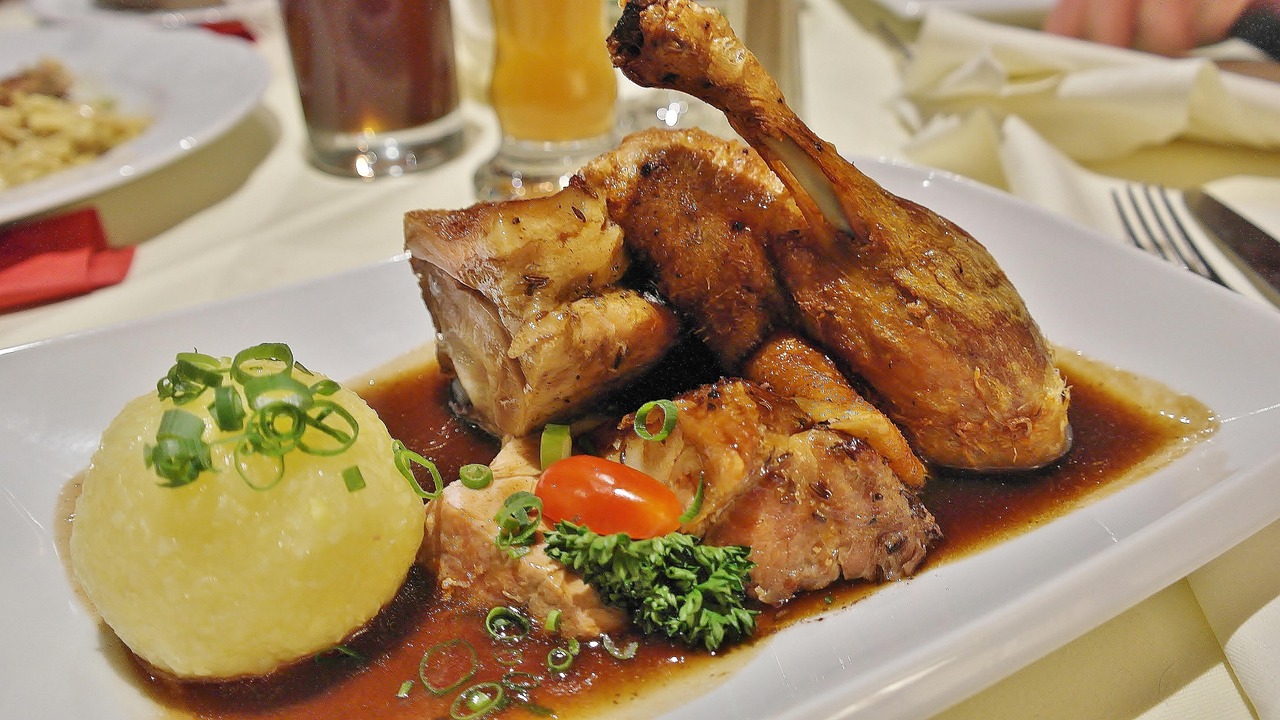
排钠、稳糖、减轻油腻负担
高钾食物有助于平衡高盐饮食带来的钠负荷,高膳食纤维食物则有助于延缓糖分吸收、增加饱腹感,并减轻油腻食物带来的代谢压力。
成人每日营养参考值(Daily Value, DV):
- 钾:4700mg
- 膳食纤维:28g
🍽️ 餐桌急救顺序(适用于高糖、高盐、高油饮食)
如果桌上同时有甜品、主食、油炸食品、重口味菜肴、蔬菜和汤,请尽量按照以下顺序进食:
白水 → 绿叶蔬菜 → 蛋白质(肉、蛋、鱼) → 高糖/高盐/高油食品
这样做有助于:
- 利用膳食纤维增加饱腹感
- 延缓糖分吸收,减少餐后血糖波动
- 降低高油食物对胃肠道的负担
- 减少高盐食物带来的钠负荷
- 帮助控制总热量摄入
为什么白水排在第一位?
餐前先喝一杯白水(约 250–500ml),可以先补充水分,避免把口渴误认为饥饿,也能增加轻微饱腹感,帮助减少后续高糖、高盐、高油食物的摄入量。
对于高盐饮食来说,足够的水分也有助于身体后续通过尿液排出多余钠离子,减轻口渴和水肿感。
室温水或温水通常最舒服、最容易坚持。冷水也可以补水,但如果胃肠敏感、容易胃胀或反酸,温水会更友好。
为什么先吃蔬菜?
许多菜市场和超市常见的蔬菜,如:
西兰花(钾约 316mg / 100g,7% DV;膳食纤维约 2.6g,9% DV)
大白菜(钾约 252mg / 100g,5% DV;膳食纤维约 1.0g,4% DV)
小白菜(钾约 252mg / 100g,5% DV;膳食纤维约 1.0g,4% DV)
卷心菜(包菜)(钾约 170mg / 100g,4% DV;膳食纤维约 2.5g,9% DV)
不仅富含膳食纤维,也含有丰富的钾和水分。
在高糖、高盐、高油饮食中,蔬菜最好与其他食物同时进食,而不是等吃完后再补吃。这样更有利于发挥它们的代谢支持作用:
利用膳食纤维延缓糖类吸收速度,帮助平稳餐后血糖
增加饱腹感,减少后续高热量食物摄入
帮助结合部分胆汁酸和脂肪代谢产物,减轻油腻负担
提供钾元素,与高盐食物中的钠形成平衡,更有利于后续排钠
补充水分和微量营养素,帮助身体维持正常代谢功能
简单来说:
蔬菜不仅是“纤维缓冲层”,也是高钾食物来源。对于高盐饮食而言,蔬菜与重口味食物一起吃,通常比餐后再补吃更有意义。
为什么蛋白质(肉、蛋、鱼)排在高糖、高盐、高油食物之前?
蛋白质比精制碳水化合物消化速度更慢,也更容易产生持续的饱腹感。
在吃完蔬菜之后先摄入蛋白质,有助于:
- 进一步增强饱腹感,减少后续高糖、高油食物的摄入量
- 延缓胃排空速度,使血糖上升更加平稳
- 降低暴饮暴食和热量过量摄入的风险
- 为身体提供修复组织和维持肌肉所需的必需氨基酸
对于聚餐、自助餐、火锅或外卖等高热量饮食场景,先吃蔬菜,再吃蛋白质,通常能自然减少后续主食、甜品和油炸食品的摄入量,而不需要刻意节食。
简单来说:
蔬菜负责提供纤维和体积,蛋白质负责提供饱腹感,高糖、高盐、高油食物最后进入。
⚠️ 浓汤要特别谨慎
如果已经摄入大量高糖、高盐或高油食物,应尽量避免继续饮用浓汤。
尤其需要注意:
- 中式骨头浓汤
- 老火靓汤
- 火锅底汤
- 西式奶油浓汤(Cream Soup)
- 浓缩肉汤(Broth)
这些汤品往往同时具有以下特点:
- 钠含量高
- 脂肪含量高
- 热量密度高
很多人误以为喝汤比较健康,但实际上,浓汤常常是隐藏的高盐、高脂肪来源。
已经吃了炸鸡、烧烤、火锅、披萨、外卖等重口味食物后,再大量饮用浓汤,容易进一步增加钠和脂肪摄入,加重口渴、水肿、胃胀和餐后疲劳感。
更好的饮品选择
✅ 白开水
✅ 温柠檬水
✅ 大麦茶
✅ 清淡蔬菜汤(少油少盐)
🔄 代谢恢复行动方案
进餐时
先吃一大碗水煮西兰花、白灼包菜或白菜,增加膳食纤维和饱腹感,再吃主食或油腻食物。
饭后 1 小时
如果没有结石风险,可以适量饮用茶水。
如果有结石风险,则避免浓茶,改喝温柠檬水或大麦茶。
随后快走 30 分钟,帮助肌肉利用餐后血糖。
下一餐
准备一碗少油少盐的冬瓜鸡胸肉汤,帮助补充水分、促进排钠,并减轻高盐饮食带来的水肿感。
🛑 有结石风险时需要谨慎的食物
4种食物的“利与弊”速查
| 食物 | 🟢 利(解油盐糖) | 🔴 弊(潜在风险) |
|---|---|---|
| 菠菜 (焯水) | 高钾排盐、高纤维吸油稳血糖 | 草酸极高(易伤肾/结石),必须焯水 |
| 淡茶 (绿/红/乌龙) | 茶多酚阻断部分油糖吸收、利尿排盐 | 含草酸;空腹喝或喝浓茶易伤胃、影响睡眠 |
| 黑巧克力 (70%+) | 镁元素稳血糖、黄酮类降高盐血压 | 热量与脂肪高(多吃反长胖)、含隐藏草酸 |
| 坚果 (杏仁/腰果等) | 蛋白质与好油平稳血糖、高钾对抗高盐 | 热量极高(易油脂超标)、草酸负荷高 |
🟢 适合代谢恢复的低草酸食物
西兰花
钾:316mg / 100g(7% DV)
膳食纤维:2.6g / 100g(9% DV)
低草酸、高纤维,是代谢恢复的优选。
大白菜 / 小白菜
钾:252mg / 100g(5% DV)
膳食纤维:1.0g / 100g(4% DV)
低草酸、安全且容易获得。
卷心菜(包菜)
钾:170mg / 100g(4% DV)
膳食纤维:2.5g / 100g(9% DV)
价格低、耐储存,是很好的高纤维蔬菜。
冬瓜
钾:135mg / 100g(3% DV)
膳食纤维:2.9g / 100g(10% DV)
高水分、低热量,适合高盐饮食后的恢复期。
大麦茶 / 柠檬水
大麦茶不含草酸;柠檬中的柠檬酸盐有助于降低结石形成风险。
一句话总结
白水先行,蔬菜垫底,蛋白质优先,高糖高盐高油最后吃;吃了重口味,少喝浓汤,多喝白水。
English Version
Metabolic Recovery Guide After a High-Sugar, High-Salt, and High-Fat Meal
To help your body recover from a meal high in sugar, sodium, and fat, there is no need to avoid all nutrient-dense foods. The key is choosing foods appropriately based on whether you have a risk of kidney stones.
Adult Daily Value (DV) Reference:
- Potassium: 4,700 mg
- Dietary Fiber: 28 g
Potassium helps offset the sodium burden from salty foods, while dietary fiber helps slow sugar absorption, increase fullness, and reduce the metabolic stress caused by fatty meals.
🍽️ Emergency Eating Order
(For High-Sugar, High-Salt, and High-Fat Meals)
If your meal includes desserts, refined carbohydrates, fried foods, heavily seasoned dishes, vegetables, and soup, try to eat them in the following order:
Water → Leafy Vegetables → Protein (Meat, Eggs, Fish) → High-Sugar / High-Salt / High-Fat Foods
This approach helps:
- Increase fullness through dietary fiber
- Slow down sugar absorption and reduce post-meal glucose spikes
- Reduce the digestive burden caused by high-fat foods
- Minimize excess sodium intake from salty foods
- Improve overall calorie control
Why Drink Water First?
Drinking a glass of plain water before eating, about 250–500 ml, helps hydrate the body first, prevents thirst from being mistaken for hunger, and creates mild fullness so it is easier to reduce intake of high-sugar, high-salt, and high-fat foods later in the meal.
For salty meals, adequate water also helps the body eliminate excess sodium through urine, reducing thirst and bloating afterward.
Room-temperature or warm water is usually the most comfortable and easiest to drink consistently. Cold water also hydrates, but warm water may be gentler for people with sensitive stomachs, bloating, or reflux.
Why Eat Vegetables First?
Many vegetables commonly found in local markets and grocery stores, such as:
- Broccoli (about 316 mg potassium per 100 g, 7% DV; about 2.6 g dietary fiber, 9% DV)
- Napa Cabbage (about 252 mg potassium per 100 g, 5% DV; about 1.0 g dietary fiber, 4% DV)
- Bok Choy (about 252 mg potassium per 100 g, 5% DV; about 1.0 g dietary fiber, 4% DV)
- Cabbage (about 170 mg potassium per 100 g, 4% DV; about 2.5 g dietary fiber, 9% DV)
are not only rich in dietary fiber, but also provide potassium and water.
In a high-sugar, high-salt, and high-fat meal, vegetables are most beneficial when eaten together with the meal rather than added afterward. This allows them to better support the body’s metabolic response by:
- Slowing the absorption of carbohydrates and helping stabilize post-meal blood sugar
- Increasing satiety and reducing the intake of excess calories later in the meal
- Helping bind some bile acids and fat metabolism byproducts, reducing the burden of fatty foods
- Providing potassium, which helps balance the sodium load from salty foods and supports the body’s natural sodium elimination process
- Supplying water and micronutrients that help maintain normal metabolic function
Simply put:
Vegetables are not only a “fiber buffer,” but also a source of potassium. When eating salty foods, consuming vegetables alongside the meal is generally more beneficial than trying to make up for them afterward.
Why Should Protein (Meat, Eggs, Fish) Come Before High-Sugar, High-Salt, and High-Fat Foods?
Protein digests more slowly than refined carbohydrates and provides longer-lasting satiety.
Eating protein after vegetables but before high-calorie foods helps:
- Increase fullness and naturally reduce later food intake
- Slow stomach emptying and moderate blood sugar rises
- Reduce the risk of overeating
- Provide essential amino acids needed for muscle maintenance and tissue repair
For buffets, hot pot, parties, restaurant meals, and takeout, eating vegetables first and protein second often reduces the amount of desserts, refined carbohydrates, and fried foods consumed without requiring intentional calorie restriction.
Simply put:
Vegetables provide fiber and volume. Protein provides satiety. High-sugar, high-salt, and high-fat foods come last.
⚠️ Be Careful with Rich Soups
If you have already consumed a large amount of sugary, salty, or fatty foods, avoid drinking large amounts of rich soup afterward.
Examples include:
- Chinese bone broth soups
- Long-simmered Chinese soups
- Hot pot broth
- Cream-based soups
- Concentrated meat broths
These soups are often:
- High in sodium
- High in fat
- High in calories
Many people assume soup is healthy, but rich soups can be hidden sources of both sodium and fat.
After eating fried chicken, barbecue, hot pot, pizza, or heavily seasoned takeout foods, drinking large amounts of rich soup may further increase sodium and fat intake, contributing to thirst, bloating, stomach discomfort, and post-meal fatigue.
Better Beverage Choices
✅ Plain Water
✅ Warm Lemon Water
✅ Barley Tea
✅ Light Vegetable Soup (Low Sodium, Low Fat)
🔄 Metabolic Recovery Action Plan
During the Meal
Start with a large bowl of boiled broccoli, napa cabbage, or cabbage to increase fiber intake and satiety before eating heavier foods.
One Hour After the Meal
If you do not have kidney stone risk, moderate tea consumption is acceptable.
If you are concerned about kidney stones, avoid strong tea and choose warm lemon water or barley tea instead.
Then take a brisk 30-minute walk to help your muscles utilize circulating blood glucose.
The Next Meal
Prepare a low-fat, low-sodium winter melon and chicken breast soup to replenish fluids, support sodium elimination, and reduce bloating caused by salty meals.
🛑 Foods to Limit If You Have Kidney Stone Risk
Pros & Cons of the 4 Foods
1. Spinach
- 👍 Pros: High potassium flushes salt; fiber blocks fat and sugar.
- 👎 Cons: Extremely high oxalates. Dangerous for kidney stones or kidney disease.
- 💡 Tip: Must be blanched in boiling water before eating. [1, 2, 3, 4, 5]
2. Weak Tea
- 👍 Pros: Polyphenols block oil absorption; acts as a diuretic to flush salt.
- 👎 Cons: Contains soluble oxalates. Strong tea increases stone risks.
- 💡 Tip: Drink weak tea only, about 1 hour after meals. [1, 2, 3]
3. Dark Chocolate
- 👍 Pros: Magnesium stabilizes blood sugar; flavonoids lower blood pressure.
- 👎 Cons: High oxalates and calories. Excess intake causes stones and weight gain.
- 💡 Tip: Choose 70%+ cocoa, limit to one small square (10g). [1, 2, 3, 4, 5]
4. Nuts
💡 Tip: Choose raw/unsalted, limit to one small handful (15-20g).
👍 Pros: Healthy fats and fiber flatten sugar curves; prevents energy crashes.
👎 Cons: High oxalate/potassium load and high calories. Bad for kidney/stone issues.
🟢 Low-Oxalate Foods Ideal for Metabolic Recovery
Broccoli
Potassium: 316 mg / 100 g (7% DV)
Dietary Fiber: 2.6 g / 100 g (9% DV)
Low in oxalates and rich in fiber, making it an excellent recovery food.
Napa Cabbage / Bok Choy
Potassium: 252 mg / 100 g (5% DV)
Dietary Fiber: 1.0 g / 100 g (4% DV)
Low-oxalate vegetables that are easy to incorporate into daily meals.
Cabbage
Potassium: 170 mg / 100 g (4% DV)
Dietary Fiber: 2.5 g / 100 g (9% DV)
Affordable, easy to store, and rich in fiber.
Winter Melon
Potassium: 135 mg / 100 g (3% DV)
Dietary Fiber: 2.9 g / 100 g (10% DV)
High in water and low in calories, making it ideal after salty meals.
Barley Tea / Lemon Water
Barley tea is oxalate-free, while the citrate in lemon may help reduce kidney stone formation.
One Simple Rule to Remember
Water first. Vegetables first. Protein second. High-sugar, high-salt, and high-fat foods last. If you eat a heavy meal, skip the rich soup and drink more water instead.