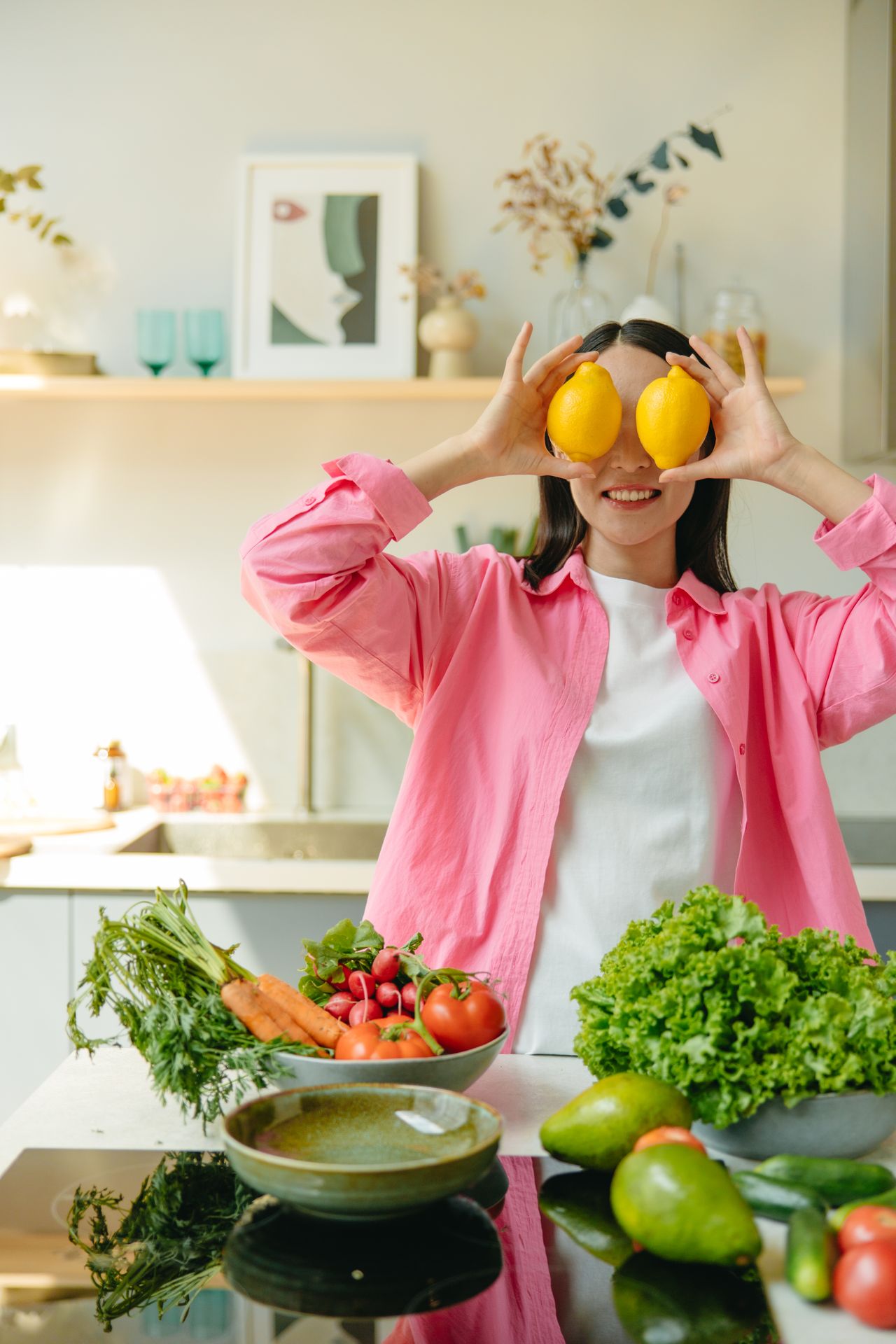
在这个数字时代,我们的双眼每天都承受着屏幕蓝光与环境压力的双重考验。除了减少电子产品的使用时间,通过科学的膳食搭配,利用大自然赐予的天然食物来呵护双眸,是最安全且可持续的“内服眼部防护网”。不同的天然食物含有各自独特的护眼营养素,科学组合能让防护效果倍增。
这里分享一些这几年为了保养眼睛而努力钻研、并整理出来的一些天然食物搭配和吸收心得。这纯粹是个人学习笔记、阅读积累与日常实践分享(其中有些也还在逐步摸索和有待实践中),并不是什么权威的医学解答。希望能给同样关注眼部健康的朋友们带来一些好玩的灵感!
👑 第一梯队:超级核心防护(5星与 4星选择)
- 羽衣甘蓝 (Kale)
- 星级评定: ⭐⭐⭐⭐⭐ (5颗星 – 强效防御推荐)
- 核心功效: 富含叶黄素和玉米黄质。它们能穿透血视网膜屏障,直接构建视网膜中的黄斑色素,像“天然墨镜”一样过滤有害的蓝光与紫外线。
- 如何食用: 通常会把它切碎,然后用中火和健康油脂轻微烹饪。叶黄素是脂溶性的,生吃或单纯水煮会导致吸收率极低。
- 什么时候吃: 随一天中含有脂肪最多的一餐(通常是午餐或晚餐)一同食用。
- 黄金搭配: 搭配鳄梨(牛油果)或特级初榨橄榄油。 尝试发现,鳄梨或橄榄油中的健康单不饱和脂肪,能将羽衣甘蓝中叶黄素的身体吸收率提高 4 倍以上。
- 💡 难易度与购买指南: 新鲜羽衣甘蓝在普通本土菜市场可能不太常见。购买渠道: 一般在大城市的精品超市(如盒马鲜生、Ole’、大润发冷藏蔬菜区)或山姆会员店购买;网络电商平台网购产地直发也挺方便。平替建议: 如果买不到新鲜的,经常使用纯羽衣甘蓝粉。因为叶黄素和玉米黄质对热和干燥相对稳定,脱水研磨成粉后活性几乎没有大损失,护眼效果基本相同。用的时候只需在温水中冲服,并记得在吃含有油脂的正餐前后饮用以保证吸收。
- 野生三文鱼与沙丁鱼 (Wild Salmon & Sardines)
- 星级评定: ⭐⭐⭐⭐⭐ (5颗星 – 结构保护选它)
- 核心功效: 极高含量的 Omega-3 脂肪酸(DHA 和 EPA)。DHA 构成了视网膜细胞约 50%-60% 的结构脂质层,能有效防止视网膜结构衰退并改善干眼症。
- 如何食用: 建议采用清蒸、低热量烘烤或慢火轻煎。避免高温深度油炸,因为过高的温度会破坏脆弱的 Omega-3 脂肪酸。
- 什么时候吃: 午餐或晚餐皆可。由于其本身自带健康优质脂肪,因此它也是同餐中其他脂溶性蔬菜的完美“吸收助推器”。
- 黄金搭配: 搭配深色绿叶蔬菜(如羽衣甘蓝)或橙色灯笼椒。 三文鱼中的油脂能完美释放并帮助身体吸收这些蔬菜中的类胡萝卜素。
- 💡 难易度与购买指南: 鲜活或冰鲜的野生三文鱼在日常超市较为昂贵且不常备。购买渠道: 会在各大超市冷冻区或电商平台购买冷冻三文鱼排或冷冻沙丁鱼块。平替建议: 据了解,冷冻海鲜的护眼效果(Omega-3 含量)与新鲜的完全相同,因为急冻技术能完美锁住脂肪酸且不易氧化变质。购买时首选野生(Wild-caught)品类。
- 蛋黄 (Egg Yolks)
- 星级评定: ⭐⭐⭐⭐ (4颗星 – 超高吸收率来源推荐)
- 核心功效: 尽管总叶黄素含量低于绿叶蔬菜,但其“生物利用度”极高。蛋黄中的健康脂肪和卵磷脂能让身体更高效地吸收这些护眼成分。
- 如何食用: 水煮蛋、水潽蛋(荷包蛋)或轻微烘焙。尽量保持蛋黄处于微流质(溏心)或刚好凝固的状态,以最大程度保留营养。
- 什么时候吃: 最喜欢把它作为早餐食用,为一整天开启眼部细胞的营养防御。
- 黄金搭配: 搭配开心果。 蛋黄自带的天然脂质是完美的吸收加速器,无需额外添加烹饪油,就能完美释放开心果和蛋黄自身的双重叶黄素。
- 💡新鲜鸡蛋营养最好。
🛡️ 第二梯队:定向针对防御(高能量级 – 日常中会重点补充的 4星或 3星食物)
- 橙色灯笼椒与玉米 (Orange Bell Peppers & Corn)
- 星级评定: ⭐⭐⭐⭐ (4颗星 – 保护视觉焦点)
- 核心功效: 含有极其丰富的玉米黄质,这种成分专门针对并保护视觉核心焦点区域(黄斑中心凹)。
- 如何食用: 灯笼椒可以轻微过油快炒,玉米建议蒸熟。由于玉米黄质是脂溶性的,烹饪时需要加入少许油脂。
- 什么时候吃: 作为午餐或晚餐的配菜食用。
- 黄金搭配: 搭配野生三文鱼或肉类。 利用肉类 and 鱼类自带的天然动物脂肪,来最大化灯笼椒 and 玉米中玉米黄质的吸收率。
- 💡 难易度与购买指南: 橙色灯笼椒(甜椒)在普通超市可能偶尔断货。购买渠道: 常在盒马、美团买菜或大型农贸市场看到。平替建议: 若买不到新鲜橙色灯笼椒,发现用枸杞(煮汤或泡茶时嚼碎吃掉)作为完美替代非常好,枸杞中的玉米黄质含量同样极高。
- 开心果与猕猴桃 (Pistachios & Kiwi)
- 星级评定: ⭐⭐⭐ (3颗星)
- 核心功效: 开心果是坚果中叶黄素含量最高的。猕猴桃则提供叶黄素和大量维生素 C,能保护晶状体液体,帮助预防白内障。
- 如何食用: 开心果直接作为零食生吃(选择无盐原味);猕猴桃直接新鲜去皮食用,以防止维生素 C 因加热而流失。
- 什么时候吃: 适合在两餐之间作为下午茶点心食用,或在早餐时食用。
- 黄金搭配: 开心果搭配蛋黄,猕猴桃搭配蓝莓。 开心果与蛋黄同食可翻倍吸收;猕猴桃与蓝莓(见第四梯队)组合则能提供协同抗氧化的双重营养矩阵。
- 💡 购买指南: 优先选择国产红心猕猴桃或进口绿心猕猴桃。
- 柑橘类水果——橙子与葡萄柚 (Citrus Fruits – Oranges & Grapefruits)
- 星级评定: ⭐⭐⭐ (3颗星)
- 核心功效: 强效维生素 C 来源。维生素 C 是维持眼部胶原蛋白结构和支撑视网膜微血管健康的关键抗氧化剂。
- 如何食用: 必须新鲜现切直接食用。切勿加热烹饪,切开后也不宜久放,否则维生素 C 会因空气氧化迅速分解。
- 什么时候吃: 适合白天任何空腹或两餐之间的时间。
- 黄金搭配: 搭配杏仁(或其它富含维生素 E 的坚果)。 维生素 C 和维生素 E 在体内具有极强的协同作用,维生素 E 能保护眼部细胞膜,而维生素 C 可以让用过的维生素 E “复活”再生,形成持续抗氧化循环。
💧 第三梯队:基础滋润与调理(日常平价基础保养 – 3星)
- 胡萝卜与红薯 (Carrots & Sweet Potatoes)
- 星级评定: ⭐⭐⭐ (3颗星)
- 核心功效: 提供丰富的β-胡萝卜素(维生素 A 原)。它们对夜视能力和保持角膜表面湿润非常重要,能有效改善眼部干涩,但对预防深层黄斑变性的效果不如第一梯队。
- 如何食用: 胡萝卜必须用油炒或与肉类一同炖煮;红薯建议蒸熟或烤熟,并随含有油脂的正餐一同食用。
- 什么时候吃: 随午餐或晚餐食用。
- 黄金搭配: 搭配少许植物油或牛肉。 强迫脂溶性的β-胡萝卜素与脂肪完全融合,转化为维生素 A,从而精准滋润干涸的眼球表面。
🍇 第四梯队:眼部微循环与微量元素保护(深度强化级拓展 – 4星或3星)
- 野生蓝莓与黑加仑 (Wild Blueberries & Blackcurrants)
- 星级评定: ⭐⭐⭐⭐ (4颗星 – 血管保护推荐)
- 核心功效: 含有极其丰富的花青素(Anthocyanins)。花青素是强效抗氧化剂,能激活眼底视网膜的微血管循环,加速视紫红质再生,显著改善夜间视力并减轻长时间看屏幕引起的眼睛酸胀。
- 如何食用: 新鲜洗净后生吃,或者冷冻后打入奶昔中。切勿高温烘焙(如做成蓝莓玛芬),因为高温会破坏花青素。
- 什么时候吃: 适合在长时间用眼(如操作电脑、看手机)之前或中间作为补充。
- 黄金搭配: 搭配西兰花(Broccoli)。 西兰花中的微量元素与蓝莓中的花青素协同作用,能进一步强化对抗眼部自由基的屏障。
- 💡 难易度与购买指南: 新鲜黑加仑(学名黑醋栗)在国内大部分南方和中部日常超市里几乎找不到鲜果(通常只有东北少数地区在夏季有产,这也是有待去寻找和实践体验的一项)。购买渠道: 为了获得黑加仑的花青素,最可行的渠道是去大型超市的冷冻柜或电商平台购买“冷冻黑加仑”或“黑加仑纯果汁/冻干粉”。平替建议: 据了解花青素极为耐低温,冷冻黑加仑与鲜果的护眼效果完全一致。如果完全买不到黑加仑,常用超市极常见的黑枸杞或桑葚(包括桑葚干)来完美平替。
- 南瓜子与牡蛎 (Pumpkin Seeds & Oysters)
- 星级评定: ⭐⭐⭐ (3颗星 – 关键输送者)
- 核心功效: 自然界中锌(Zinc)含量最高的食物。锌是眼部代谢不可或缺的辅因子,它负责将肝脏中的维生素 A “运送”到视网膜,以产生保护视力的黑色素。缺乏锌会导致维生素 A 无法在眼部发挥作用。
- 如何食用: 南瓜子选择原味烘焙、无盐的;牡蛎建议清蒸或煮汤(牡蛎这部分还没怎么试过,有待在未来的食谱里去慢慢实践)。
- 什么时候吃: 随正餐食用,与含维生素 A 的食物同餐最佳。
- 黄金搭配: 搭配胡萝卜或红薯(第三梯队)。 南瓜子中的锌能够作为“运输车”,精准将胡萝卜和红薯中的维生素 A 运送到视网膜,发挥双倍护眼功效。
- 💡 购买指南: 南瓜子记得买原味无盐的;如果买不到新鲜牡蛎,有时会通过食用瘦牛肉或生南瓜子来补充足够的锌,效果同样极佳。
- 📌 阅读补遗:未被上述食物覆盖的眼部盲区与强化策略
- 在整理上面的资料时,我也读到了一些容易被忽视的“眼部盲区”。前四个梯队的食物主要针对的是视网膜、晶状体和眼表干涩,但眼睛还有两处关键结构需要完全不同的营养:睫状肌(负责调节对焦的肌肉)和视神经(连接大脑的电缆)。以下是我阅读学到并打算在未来慢慢去尝试实践的强化项:
- 微algae提取物/天然虾青素 (Astaxanthin – 针对睫状肌/对焦疲劳)
- 核心发现: 随着年龄增长(尤其是 40-50 岁之后),眼睛的睫状肌极易因调节看远看近而产生精疲力竭的氧化损伤。虾青素的分子长度很特别,据说能穿透屏障直接在睫状肌驻扎,改善对焦灵活性并减轻长时间看手机的眼睛酸胀。
- 购买与实践体验: 日常蔬菜里几乎没有。最高来源是野生红三文鱼,或者专门的雨生红球藻提取物(虾青素粉)。
- 一氧化氮调节剂——芝麻菜与甜菜根 (Nitric Oxide Boosters – 针对视神经与微循环)
🌟 My Recent Reading & Personal Notes on Full-Spectrum Ocular Protection & Deep Absorption (With Some Still To Be Put Into Practice)
Over the past few years, I have dived deep into researching and gathering knowledge on natural food combinations to support long-term eye health. Below are personal reading logs, learning summaries, and ongoing daily notes—some of which have been tried, while others are still waiting to be tested out and put into practice. This is not authoritative medical advice, but sharing these notes can spark some creative and practical inspiration for your own lifestyle!
👑 Tier 1: Maximum Power (5-Star & 4-Star Core Favorites)
- Kale
- Rating: ⭐⭐⭐⭐⭐ (5 Stars – Top Choice for Defense)
- Core Benefit: Densely packed with lutein and zeaxanthin. These carotenoids cross the blood-retina barrier to build macular pigment, acting as “internal sunglasses” to filter out harmful blue and UV light.
- How to Eat: Finely chop it and cook it lightly over medium heat with healthy oils. Lutein is fat-soluble; research shows that eating it raw or plain boiled results in extremely poor absorption.
- When to Eat: Consume it alongside the largest fat-containing meal of the day (typically lunch or dinner).
- Best Combo: Pair with Avocado or Extra Virgin Olive Oil. Healthy monounsaturated fats in avocado or olive oil boost the biological absorption rate of kale’s lutein by over 4 times.
- 💡 Availability & Sourcing Guide: Fresh kale may not be consistently available in standard local Chinese wet markets. Where to buy: Usually found in premium supermarkets (such as Hema Fresh, Ole’, or the refrigerated produce sections of RT-Mart), Sam’s Club, or online specialty produce apps. Non-Fresh Alternative: When fresh kale is unavailable, pure kale powder is an excellent substitute that is often used. Since lutein and zeaxanthin are highly stable during heat and dehydration, pure kale powder offers virtually the same eye-protective effects. Mix it with warm water and consume it right before or after a meal containing healthy fats to ensure absorption.
- Wild Salmon & Sardines
- Rating: ⭐⭐⭐⭐⭐ (5 Stars – Choice for Structural Support)
- Core Benefit: Exceptional sources of Omega-3 fatty acids (DHA and EPA). DHA makes up 50%-60% of the retinal cell structure, preventing structural decay and treating dry eyes.
- How to Eat: Steam, bake at low-to-medium heat, or pan-sear gently. Avoid deep-frying, as extreme heat destroys the fragile Omega-3 molecular structure.
- When to Eat: Perfect for lunch or dinner. Because it naturally contains healthy fats, it acts as an excellent “absorption vehicle” for other vegetables in the meal.
- Best Combo: Pair with dark leafy greens (like kale) or Orange Bell Peppers. The natural oils in the fish perfectly unlock and help the body absorb the carotenoids found in these vegetables.
- 💡 Availability & Sourcing Guide: Fresh, wild-caught salmon can be difficult to find or expensive in daily markets. Where to buy: Stocking up on frozen salmon fillets or frozen sardines from the freezer sections of supermarkets and e-commerce platforms works perfectly. Non-Fresh Alternative: Based on research, frozen seafood has the exact same efficacy as fresh for eye health because flash-freezing locks in fragile Omega-3 fatty acids and prevents oxidation. Wild-caught items remain the preference.
- Egg Yolks
- Rating: ⭐⭐⭐⭐ (4 Stars – Favorite Source for Effortless Absorption)
- Core Benefit: Even though total lutein is lower than in leafy greens, the bioavailability is unmatched. The natural healthy fats and lecithin in the yolk allow the body to absorb the eye nutrients effortlessly.
- How to Eat: Soft-boiled, poached, or lightly baked. Keep the yolk runny or just barely set to preserve maximum nutrient integrity.
- When to Eat: Best consumed at breakfast to kickstart the ocular cellular shield for the rest of the day.
- Best Combo: Pair with Pistachios. The natural lipids in the yolk function as built-in absorption accelerators, unlocking the dual lutein of both the nuts and the yolk without needing added cooking oils.
- 💡 Availability & Sourcing Guide: Extremely easy to find. Universally available fresh in all local markets and grocery stores across China.
🛡️ Tier 2: High Power (The Targeted Shield – 4-Star or 3-Star Foods to Keep in the Rotation)
- Orange Bell Peppers & Corn
- Rating: ⭐⭐⭐⭐ (4 Stars – Protecting Sharp Central Focus)
- Core Benefit: Exceptionally high in zeaxanthin, which specifically targets and protects the macula’s center cone cells responsible for sharp central focus.
- How to Eat: Lightly stir-fry the peppers with oil, and steam the corn. Since zeaxanthin is fat-soluble, it requires a small fat medium during cooking.
- When to Eat: Enjoy as a side dish during lunch or dinner.
- Best Combo: Pair with Wild Salmon or Meat. Use the natural fats found in fish or meats to maximize the body’s absorption of the zeaxanthin.
- 💡 Availability & Sourcing Guide: Corn is universally available. Orange bell peppers can occasionally be hard to find in regular grocery stores. Where to buy: Premium supermarkets (Hema) or delivery apps. Non-Fresh Alternative: If orange peppers are out of stock, dried Goji berries (wolfberries) are a perfect replacement; they can be chewed directly or added to soups and are packed with highly bioavailable zeaxanthin.
- Pistachios & Kiwi
- Rating: ⭐⭐⭐ (3 Stars)
- Core Benefit: Pistachios have the highest lutein among all nuts. Kiwi provides a dual punch of lutein and massive amounts of vitamin C to protect lens fluid and ward off cataracts.
- How to Eat: Snack on pistachios raw and unsalted. Eat kiwi fresh and peeled; never cook it, as heat quickly destroys vitamin C.
- When to Eat: Ideal as an afternoon snack between meals or added directly to breakfast.
- Best Combo: Pistachios with Egg Yolks; Kiwi with Blueberries. Pistachios double their absorption when eaten with egg yolk lipids. Kiwi paired with blueberries (see Tier 4) creates a highly synergistic antioxidant matrix.
- 💡 Availability & Sourcing Guide: Easily available nationwide. Pistachios are common in snack aisles, and kiwis (both domestic red/green varieties and imported) are highly accessible in fruit stores.
- Citrus Fruits (Oranges & Grapefruits)
- Rating: ⭐⭐⭐ (3 Stars)
- Core Benefit: Potent Vitamin C source. A vital antioxidant that maintains collagen structures in the eye and supports the microcapillaries supplying blood to the retina.
- How to Eat: Cut fresh and eat immediately. Never cook or leave exposed to air for too long, as oxygen and heat rapidly degrade vitamin C levels.
- When to Eat: Perfect during the day on an empty stomach or between meals.
- Best Combo: Pair with Almonds (or other Vitamin E-rich nuts). Vitamins C and E are deeply synergistic. Vitamin E protects the cell membranes of the eye, while Vitamin C actively recycles spent Vitamin E, creating a continuous antioxidant loop.
- 💡 Availability & Sourcing Guide: Extremely easy to find. China has an abundant, year-round domestic supply of highly affordable oranges and pomelos in every local store.
💧 Tier 3: Moderate Power (Daily Affordable Foundation – 3 Stars)
- Carrots & Sweet Potatoes
- Rating: ⭐⭐⭐ (3 Stars)
- Core Benefit: Supplies beta-carotene (provitamin A). They are excellent for night vision and keeping the corneal surface moist, effectively reducing dry eyes, though less effective at preventing deep macular decay.
- How to Eat: Cook carrots with oil or chew them with meats. Steam or roast sweet potatoes and eat them alongside a meal containing healthy fats.
- When to Eat: Consume during lunch or dinner.
- Best Combo: Pair with a touch of Plant Oil or Beef. Forcing the fat-soluble beta-carotene to bond with fats ensures efficient conversion into Vitamin A, precisely lubricating dry eye surfaces.
- 💡 Availability & Sourcing Guide: Universally available, staple items in every Chinese market and household.
🍇 Tier 4: Ocular Microcirculation & Trace Mineral Protection (Deep Enhancement)
- Wild Blueberries & Blackcurrants
- Rating: ⭐⭐⭐⭐ (4 Stars – Essential for Eye Strain and Night Vision)
- Core Benefit: Packed with potent antioxidants called Anthocyanins. Anthocyanins activate microcapillary circulation in the retina, accelerate the regeneration of rhodopsin, dramatically improve night vision, and reduce eye fatigue from extended screen use.
- How to Eat: Eat them fresh, or blend frozen berries into a smoothie. Avoid high-heat baking (like blueberry muffins), which damages the fragile anthocyanins.
- When to Eat: Ideal right before or during periods of heavy screen usage or detailed reading.
- Best Combo: Pair with Broccoli. The trace nutrients in broccoli and the anthocyanins in blueberries work in tandem to maximize defenses against ocular oxidative stress.
- 💡 Availability & Sourcing Guide: Fresh blueberries are highly accessible across fruit stores. However, fresh blackcurrants are almost never found as fresh fruit in typical Chinese supermarkets (except occasionally during summer in parts of Northeast China—this is one of those items still to be tracked down and tried firsthand!). Where to buy: To get the profound eye benefits of blackcurrants, look for frozen blackcurrants or pure blackcurrant juice/freeze-dried powder via online import shops or major e-commerce platforms. Non-Fresh Alternative: Anthocyanins freeze exceptionally well; frozen blackcurrants maintain 100% of the fresh fruit’s potency. Alternatively, black goji berries or mulberries (including dried mulberries found in any standard market) serve as highly accessible domestic replacements rich in anthocyanins that can be frequently swapped in.
- Pumpkin Seeds & Oysters
- Rating: ⭐⭐⭐ (3 Stars – The Vitamin A Delivery Vehicle)
- Core Benefit: Nature’s richest sources of Zinc. Zinc acts as a vital cofactor that “transports” Vitamin A from the liver into the retina to produce melanin, a protective pigment. Without zinc, Vitamin A cannot be fully utilized by the eye.
- How to Eat: Choose raw or dry-roasted, unsalted pumpkin seeds. Steam or boil oysters into a soup (admittedly, the oyster side of this equation is something still waiting to be fully practiced in regular meal routines!).
- When to Eat: Take during a main meal, ideally one containing Vitamin A-rich foods.
- Best Combo: Pair with Carrots or Sweet Potatoes (Tier 3). The zinc in pumpkin seeds acts as a delivery truck, accurately steering the Vitamin A from carrots and sweet potatoes straight into the retina for double the efficiency.
- 💡 Availability & Sourcing Guide: Easily available. Unsalted pumpkin seeds are common in dried food sections. Fresh oysters are readily available in seafood markets. Non-Fresh Alternative: If fresh oysters are unavailable, raw pumpkin seeds or lean beef from any grocery store provide clean, potent sources of zinc with the exact same metabolic eye efficacy.
- 📌 Reading Supplement: Overlooked Areas & Targeted Enhancement Strategies
- While organizing the data above, I also learned about several hidden ocular areas left vulnerable by Tiers 1–4. Those core foods primarily defend the retina, lens, and tear film, but two major systems require different bioactives to stay strong: the ciliary muscles (the focus flex system) and the optic nerve (the brain connection). Here are the expansion items gathered from my reading that are waiting to be put into practice:
- Microalgae Extracts / Natural Astaxanthin (Targeting Ciliary Muscle & Accommodative Fatigue)
- Core Learning: As eyes age (especially between 40 and 50), the ciliary focus muscles experience massive strain trying to shift between close and distance vision. Astaxanthin has a unique molecular length that reportedly allows it to pass the retinal barrier, settle in the ciliary body, reduce focusing fatigue, and alleviate screen blur.
- Sourcing & Experience: It is practically non-existent in common store vegetables. The highest food source is wild sockeye salmon, though many track down specialized Haematococcus pluvialis powder online.
- Nitric Oxide Boosters – Arugula & Beetroot (Targeting the Optic Nerve & Ocular Microcirculation)